


Art competitions for schools aren’t just about paint and paper; they’re vibrant showcases of creativity that can catapult young artists into the spotlight. Imagine a world where budding Picassos and future Fridas unleash their imagination, all while competing for glory and maybe even a shiny trophy. It’s like the Olympics, but with more glitter and fewer sprained ankles.
These competitions offer students a chance to express themselves, build confidence, and gain recognition for their talent. Whether they’re doodling in the margins or crafting masterpieces, every entry tells a story. So why not encourage that spark of creativity? Dive into the colorful chaos of art competitions, where every brushstroke could be the beginning of something extraordinary. After all, who wouldn’t want to be the next big thing in the art world—complete with a fan club and maybe a few admirers?
Overview Of Art Competitions For Schools
Art competitions for schools serve as vital platforms where young artists can express their creativity and gain recognition. These contests promote not only artistic expression but also serve as valuable educational experiences. Frequently, schools organize or participate in local, regional, and national contests, offering students a chance to showcase their work on various scales.
Participating in these competitions fosters essential skills, such as confidence and self-discipline. Students learn to present their ideas and artworks to an audience, honing their communication abilities. Recognizing the importance of feedback, many competitions provide critiques from judges, which can further enhance artistic growth.
Artwork submitted to competitions often encompasses a broad range of mediums, including painting, sculpture, photography, and digital art. Many contests invite students to explore specific themes, which can inspire creativity and encourage innovative thinking. Teachers often integrate competition preparations into the curriculum, allowing students to engage with the coursework while cultivating their artistic talents.
Award opportunities abound in art competitions, ranging from scholarships to exhibition displays. Many organizations also offer mentorship as part of the awards, providing winners with guidance from experienced artists. Thus, success in these contests often translates into future opportunities in the art world.
Art competitions for schools not only showcase talents but also build a supportive community among young artists. These events enable students to meet peers with similar interests, fostering collaboration and inspiration. By participating, students gain invaluable experiences that aid their artistic journeys, further encouraging the development of their creative voices.
Benefits Of Participating In Art Competitions
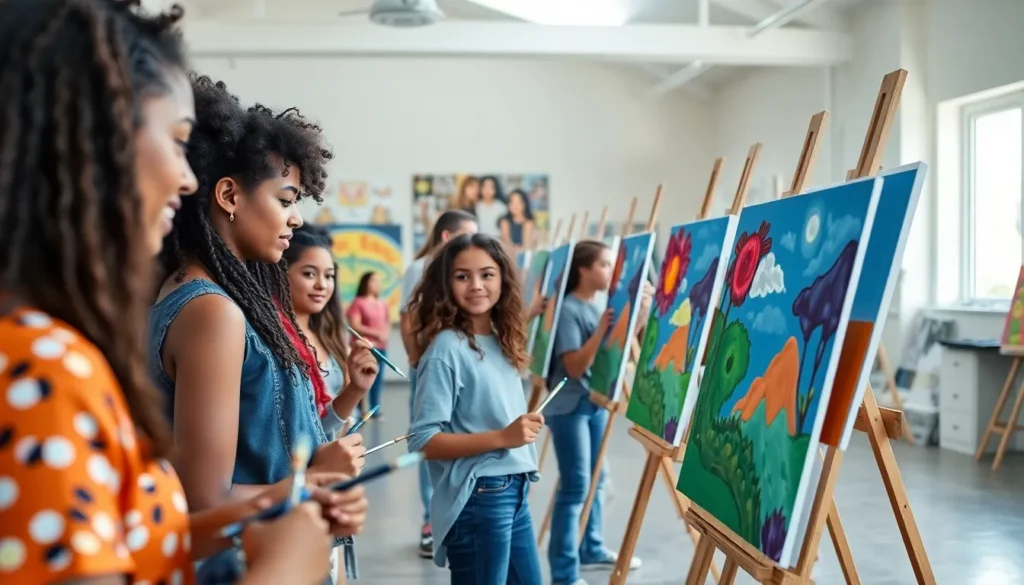
Participating in art competitions offers numerous advantages for students. They gain substantial skills and build confidence, essential for personal and artistic growth.
Skill Development
Skill development occurs through hands-on experience in art competitions. Students refine techniques across various mediums, including painting and sculpture. Observing peer work encourages exploration and learning new styles. Feedback from judges provides valuable insights that enhance artistic abilities. Overall, engagement in these contests fosters critical thinking and creativity, key components in the artistic process.
Confidence Building
Confidence building stems from presenting artwork to an audience. Students confront challenges while preparing for these events, enhancing resilience. Recognition through awards or praise boosts self-esteem significantly. Interaction with fellow artists and mentors nurtures a sense of belonging, reinforcing their artistic identity. Over time, consistent participation develops a strong belief in one’s artistic capabilities, encouraging further exploration and expression.
Types Of Art Competitions
Art competitions take various forms, providing students with diverse opportunities to showcase their skills. Each type encourages creativity and caters to different artistic mediums.
Local Competitions
Local competitions often involve schools, community centers, or regional art organizations. These events focus on fostering artistic talent in a specific area. They provide young artists the chance to display their work to local audiences, enhancing community engagement. Participants usually range from elementary school students to high school seniors. Winner awards frequently include ribbons, certificates, or local scholarships, promoting recognition within the community. Networking opportunities also arise, allowing participants to connect with fellow artists and local art enthusiasts.
National Competitions
National competitions attract a broader participant pool, often featuring students from various states. These contests aim to discover exceptional young talent across the country. Distinguished judges, usually comprised of established artists, critique the artwork, offering valuable feedback. Winning these competitions often leads to significant recognitions, like scholarships to art schools or mentorship programs. Exposure on a national level encourages students to refine their artistic expression. Successful participants may also see their artwork displayed in prestigious galleries, enhancing their portfolios and future opportunities.
Online Competitions
Online competitions enable participation from anywhere, overcoming geographical limitations. Artists submit their works via digital platforms, making entry accessible to a vast audience. These competitions often include specific themes or prompts, stimulating creativity among participants. Judges analyze submissions online, offering feedback and critique in a digital format. Winners typically receive digital certificates, monetary awards, or art supplies. Online visibility expands networks, allowing artists to connect with peers and professionals globally.
Tips For Success In Art Competitions
Success in art competitions hinges on preparation and understanding. Mastering competition guidelines is essential for crafting submissions that align with expectations.
Understanding Competition Guidelines
Competitors should carefully read all entry requirements. Each competition may have specific themes, size limitations, and medium specifications. Knowing the judging criteria enhances the chances of an entry standing out. Some competitions may emphasize originality, while others prioritize technical skill. Adhering to deadlines cannot be overlooked, as timely submissions reflect professionalism. Additionally, referring to past winners can provide insights into effective approaches. Taking note of submission formats and presentation requirements ensures a smooth entry process.
Practicing Art Techniques
Practicing various art techniques sets the foundation for strong submissions. Engaging in regular drawing, painting, or sculpting helps refine skills and builds confidence. Experimenting with different mediums allows for exploration and creativity. Artists often benefit from studying and replicating the work of established artists, which aids in understanding diverse styles. Feedback from teachers or peers can be invaluable for identifying areas of improvement. Regularly participating in workshops or classes further enhances technical abilities. Consistent practice not only prepares students for competition but also fosters a deeper artistic voice.
Art competitions for schools offer invaluable opportunities for young artists to flourish. By participating in these events, students not only showcase their creativity but also develop essential skills that will benefit them in the future. The sense of community fostered through these competitions encourages collaboration and inspiration, creating an environment where artistic voices can thrive.
As students explore various mediums and themes, they gain confidence and resilience that extend beyond the canvas. The recognition and mentorship available through these competitions can open doors to exciting prospects in the art world. Ultimately, embracing these artistic challenges can significantly shape a student’s journey, paving the way for a bright future in their creative endeavors.

