

In a world where visual expression reigns supreme, art publications play a crucial role in connecting artists and audiences. These platforms not only showcase stunning visuals but also explore the stories behind the art, offering insights into the creative process. From glossy magazines to academic journals, art publications provide a diverse range of perspectives that enrich the cultural landscape.
As the art world evolves, so do the ways in which it communicates. Digital platforms have transformed traditional print media, making art more accessible than ever. This shift has opened up new avenues for artists to share their work and for readers to engage with contemporary art movements. Understanding the impact and significance of these publications is essential for anyone looking to navigate the vibrant realm of art today.
Overview of Art Publications
Art publications serve crucial functions in the art world. They provide a platform for artists to showcase their work, helping to reach broader audiences. These platforms include magazines, journals, catalogs, and online publications, each offering unique perspectives on artistic trends, techniques, and cultural commentary.
Art publications have evolved significantly. Traditional print media has transitioned into digital formats, enhancing accessibility and engagement. Digital platforms facilitate instant sharing and interaction, allowing immediate feedback from audiences.
Publishers play a vital role in curating content, selecting works that reflect diverse artistic expressions and movements. Some prominent types of art publications include:
- Art Magazines: These often feature articles, interviews, and reviews focused on current exhibitions and artist profiles.
- Academic Journals: These provide scholarly articles that analyze art history, theories, and critiques, supporting research and education.
- Exhibition Catalogs: These are produced for exhibitions and include details about artworks on display, artist statements, and thematic essays.
- Online Platforms: Websites and blogs offer real-time updates on art events, artist features, and discussions on contemporary issues in the art world.
Each type of publication contributes uniquely to the dissemination of art-related information, fostering a vibrant dialogue among artists, critics, and audiences. Therefore, remaining informed about these publications equips individuals with knowledge to navigate the dynamic landscape of art today.
Types of Art Publications
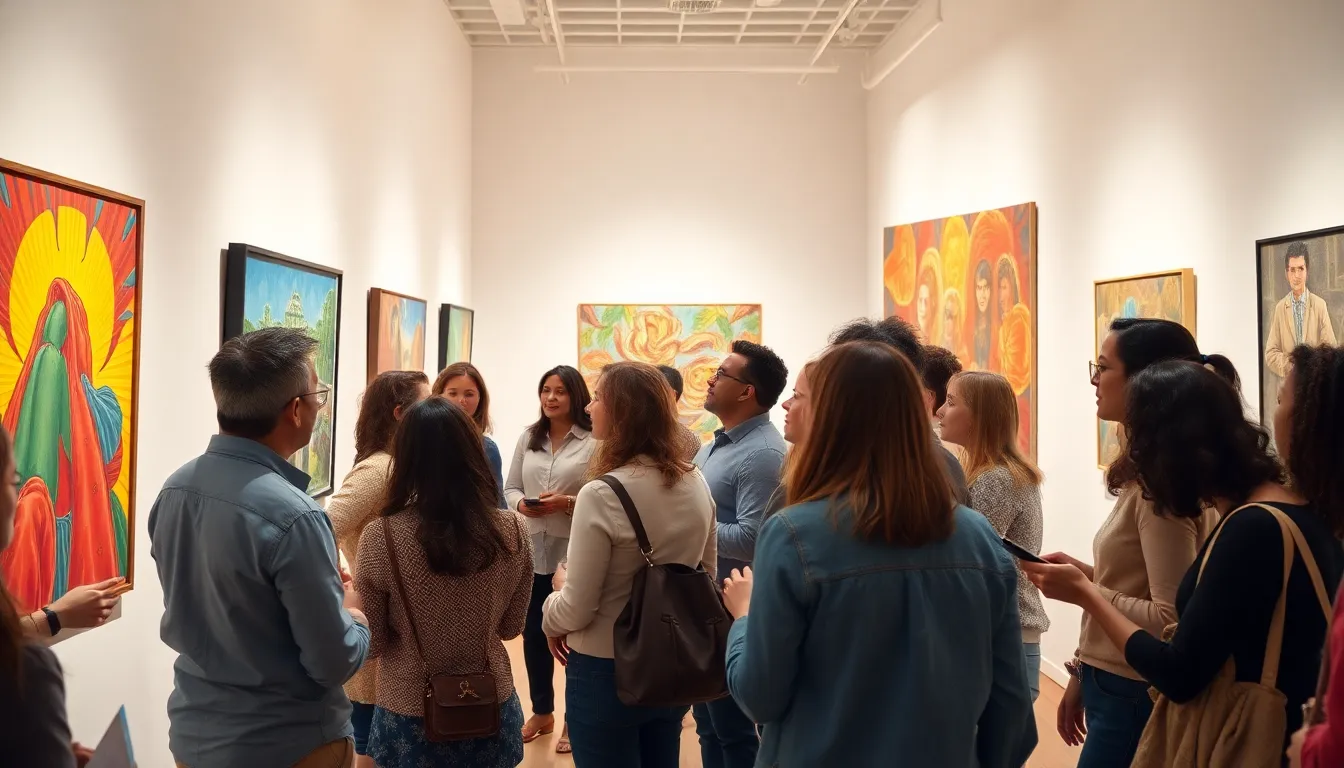
Art publications exist in various formats, each serving distinct purposes and audiences. Understanding these types enhances engagement with the art world.
Print Publications
Print publications encompass magazines, journals, books, and exhibition catalogs. These formats often feature high-quality images and in-depth articles.
- Magazines: Art magazines provide accessible content on current trends, artist profiles, and exhibition reviews. They target both art enthusiasts and professionals, bridging gaps between creators and audiences.
- Academic Journals: Scholarly art journals publish peer-reviewed articles, research studies, and critical essays. They contribute to the academic discourse surrounding art theory, history, and criticism, serving students and professionals in academia.
- Exhibition Catalogs: Exhibition catalogs are published for specific shows. They document artwork, artist statements, and curatorial essays. These catalogs preserve the context of exhibitions, making them valuable resources for collectors and scholars alike.
Digital Publications
Digital publications integrate various online platforms and formats, offering dynamic ways to engage with art.
- Websites and Blogs: Art-focused websites and blogs deliver timely updates, artist interviews, and opinion pieces. These platforms allow for immediate engagement and interaction.
- E-Journals: E-journals replicate the format of print academic journals but offer digital accessibility. They often include multimedia content, expanding how research is disseminated and consumed.
- Social Media: Social media platforms function as powerful tools for artists, galleries, and critics. They enable real-time sharing of artwork, events, and discussions, fostering a vibrant and engaged community around contemporary art.
- Online Exhibitions: Virtual galleries and online exhibitions showcase artwork digitally. These platforms widen access to art, allowing audiences worldwide to experience exhibitions without geographical constraints.
Impact of Art Publications
Art publications significantly influence the art world by shaping perceptions and fostering connections. They serve as essential tools for artists, educators, and audiences alike.
Influence on Artists
Art publications provide crucial visibility for artists by showcasing their work and offering platforms for expression. They facilitate recognition through features, interviews, and profiles, allowing artists to reach wider audiences. Publications like Artforum and Juxtapoz highlight emerging talents and established figures, impacting career trajectories. Exposure in these platforms can lead to gallery representation, art sales, and increased public interest. Furthermore, artists often use publications to share their thoughts on techniques and themes, influencing other creatives in the process.
Role in Art Education
Art publications play a vital role in art education by offering resources for students, educators, and lifelong learners. Academic journals, such as The Art Bulletin, present peer-reviewed research that deepens understanding of art history and theory. These publications provide case studies, which can enhance curriculum development and inspire classroom discussions. Moreover, exhibition catalogs serve as documentation and analysis of significant shows, allowing students to explore contemporary dialogues. Digital platforms, including blogs and online magazines, supplement this education by providing accessible content that addresses current trends and shifts in the art landscape. Engaging with these resources proves essential for cultivating informed art practitioners and enthusiasts.
Notable Art Publications
Art publications serve as a cornerstone for understanding and disseminating artistic expression. This section highlights established art magazines and emerging art journals that contribute significantly to the art world.
Established Art Magazines
Established art magazines play a pivotal role in shaping artistic discourse and providing visibility for artists. Notable examples include:
- Artforum: Focuses on contemporary art, featuring critical essays, artist profiles, and exhibition reviews since 1962.
- The Art Newspaper: Offers in-depth reporting on global art news, auction results, and market trends, catering to collectors and enthusiasts.
- Art in America: Covers a wide range of topics, including interviews, features on art trends, and in-depth critiques of exhibitions across the United States.
- Flash Art: An international perspective on contemporary art, emphasizing reviews and features that connect artists with audiences worldwide.
These magazines not only showcase artwork but also provide critical insights that influence artists, collectors, and cultural commentators.
Emerging Art Journals
Emerging art journals represent new voices and perspectives in the art world. They focus on niche themes, often addressing underrepresented artists and movements. Notable examples include:
- The Brooklyn Rail: Focused on contemporary culture, it features critical reviews and essays that challenge conventional narratives in the arts.
- ArtMargins: Dedicated to contemporary art from Eastern Europe, it promotes discussions around marginal voices and cultural practices.
- The Journal of Curatorial Studies: Explores curatorial practices and methodologies, offering scholarly articles that enhance the understanding of exhibition-making.
- Sculpture Journal: Devoted to the study and appreciation of sculpture, it fosters dialogue about sculpture’s place within contemporary art.
These journals expand the conversation about art, fostering innovation and encouraging diverse perspectives within the artistic community.
Art publications play a crucial role in shaping the contemporary art landscape. They not only connect artists with audiences but also enhance understanding and appreciation of diverse artistic expressions. By embracing both traditional and digital formats, these publications ensure that art remains accessible and engaging.
The impact of art publications extends beyond visibility for artists; they also foster critical dialogues and inspire educational initiatives. As the art world continues to evolve, staying informed about these platforms is essential for anyone passionate about art. Engaging with a variety of publications allows individuals to navigate the complexities of the art scene and participate in meaningful conversations about creativity and innovation.