

In a world where creativity knows no bounds, collaborative art projects have emerged as a powerful way to unite diverse voices and perspectives. These projects foster community engagement, spark innovation, and challenge traditional notions of authorship. Artists from various backgrounds come together, blending their unique styles and ideas to create something truly extraordinary.
Whether it’s a mural painted by a group of local artists or an interactive installation that invites public participation, collaborative art transforms spaces and encourages dialogue. It not only enriches the artistic landscape but also builds connections among participants and audiences alike. As the art world continues to evolve, the significance of collaboration in artistic expression becomes increasingly evident, paving the way for exciting new possibilities.
Understanding Collaborative Art Projects
Collaborative art projects involve multiple creators working together, blending diverse ideas and styles. These initiatives often break down barriers, allowing for innovation and communal expression.
Definition and Characteristics
Collaborative art projects consist of contributions from multiple artists, each bringing unique perspectives and skills. Key characteristics include:
- Shared Purpose: Projects aim to achieve a common goal, such as creating a mural or an installation.
- Collective Input: All participants provide input, ensuring ideas and execution are a product of collaboration.
- Diversity: Artists often come from various backgrounds, enhancing the richness and complexity of the art.
- Fluid Authorship: Traditional notions of authorship are challenged, emphasizing a collective identity over individual acclaim.
Importance in Art Community
- Building Connections: These projects create networks among artists, promoting mutual support and inspiration.
- Encouraging Dialogue: Collaborative efforts stimulate conversations around different artistic practices and cultural narratives.
- Accessibility: By involving community members in the creative process, artistic expression becomes more inclusive, allowing wider participation.
- Driving Innovation: Collaborative endeavors often lead to experimental approaches, pushing artistic boundaries and redefining creative processes.
Types of Collaborative Art Projects
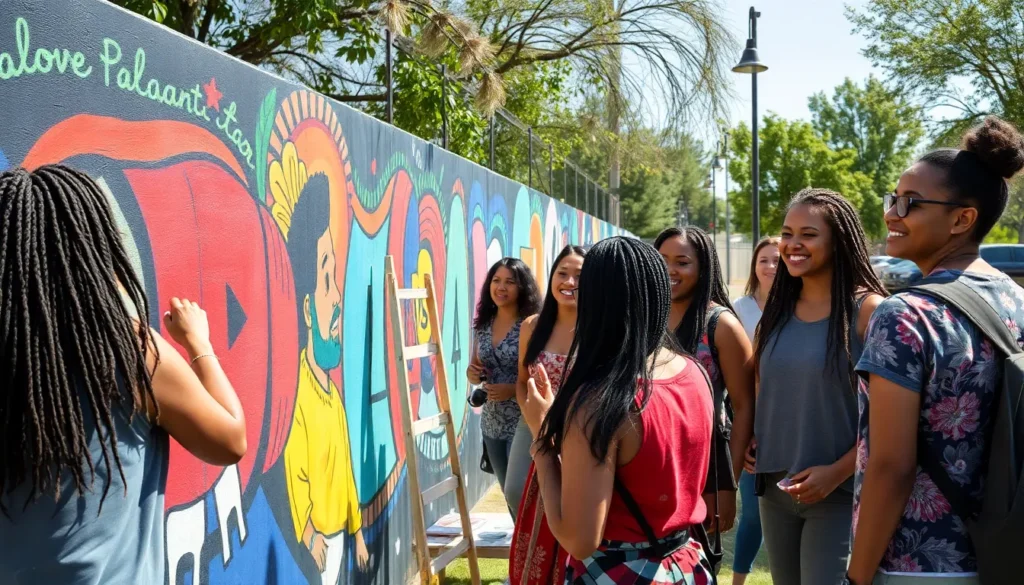
Collaborative art projects come in various forms, each serving unique purposes and involving different groups. These projects often reflect the creativity and values of their participants.
Local Community Projects
Local community projects focus on engaging residents in artistic creation that reflects their unique stories and cultures. These projects often occur in public spaces, such as parks and community centers, fostering a sense of belonging and pride. For example, community murals invite residents to contribute ideas and designs, transforming shared spaces into vibrant displays of local identity. Workshops enable participants to collaborate on artworks and skills, enhancing community ties and artistic expression.
International Initiatives
International initiatives connect artists across borders, leveraging technology and global collaboration to produce impactful works. These projects often address global issues, such as climate change or social justice. One example includes online art collectives where creators from different countries develop digital artworks that engage with shared challenges. Large-scale installations, created through partnerships between diverse cultural groups worldwide, showcase perspectives that transcend geographic and cultural barriers. Such initiatives underscore the unifying potential of art on a global scale, encouraging dialogue and understanding among differing backgrounds.
Benefits of Collaborative Art Projects
Collaborative art projects offer numerous advantages, enriching the artistic experience for both creators and audiences. They foster creativity, strengthen community ties, and lead to innovative expressions.
Fostering Creativity and Innovation
Collaborative art projects enhance creativity by merging different ideas, techniques, and perspectives. Participants experiment with various styles and approaches, resulting in unique outcomes that might not emerge in solo work. Diverse input ignites inspiration, encourages risk-taking, and challenges artists to think outside conventional boundaries. Projects like community murals often blend local culture with contemporary themes, creating vibrant expressions that resonate with broader audiences.
Building Community and Connections
Collaborative art projects build community by fostering connections among participants and engaging local audiences. They create shared experiences that empower individuals, celebrate cultural narratives, and cultivate a sense of ownership over public spaces. Participation often attracts those who might not usually engage in the arts, expanding accessibility and inclusivity. Events like public workshops and installations encourage dialogue, nurture relationships, and strengthen the creative fabric of neighborhoods.
Challenges Faced in Collaborative Art Projects
Collaborative art projects, while enriching, come with their own set of challenges. Artists must navigate communication hurdles and balance individual input with collective vision.
Communication and Coordination Issues
Communication and coordination issues frequently arise in collaborative art projects. Misunderstandings about intentions can lead to conflict. Misaligned schedules and differing artistic processes can hamper progress. Establishing clear channels for communication enhances overall collaboration. Regular check-ins keep everyone on the same page, while tools like shared digital platforms facilitate organization. Effective coordination of tasks fosters a harmonious workflow and prevents frustration among team members.
Balancing Individual Artistic Voices
Balancing individual artistic voices within a group poses a significant challenge. Artists often bring unique styles and perspectives, which can clash during the creative process. Navigating differences requires open dialogue and mutual respect. Setting common goals helps align individual strengths with the overall vision of the project. Encouraging contributions from all participants fosters a more inclusive atmosphere and results in a cohesive artistic outcome. Ultimately, balancing these voices enhances the depth and richness of the shared artistic expression.
Collaborative art projects are reshaping the artistic landscape by fostering connections and encouraging diverse voices. They create unique opportunities for innovation and community engagement while challenging traditional notions of authorship. As artists continue to explore these collaborative avenues, the potential for enriching cultural narratives and enhancing accessibility becomes even more pronounced.
By embracing the power of teamwork and shared vision, artists can create transformative experiences that resonate with audiences. The ongoing evolution of collaborative art not only enriches the creative process but also builds a more inclusive art community, paving the way for future generations of artists to engage in meaningful dialogue and collaboration.

