

In a world buzzing with technology and fast-paced living, cultural arts enrichment is like a refreshing splash of cold water on a hot day. It’s the secret sauce that transforms everyday experiences into vibrant masterpieces. Imagine stepping into a gallery where each painting tells a story or attending a performance that makes you laugh, cry, and rethink your life choices—all in one evening!
Understanding Cultural Arts Enrichment
Cultural arts enrichment plays a vital role in connecting individuals to their communities and broadening personal experiences. Engaging with the arts fosters a deeper appreciation for diverse perspectives and shared human experiences.
Definition and Importance
Cultural arts enrichment refers to the involvement in various forms of artistic expression, including visual arts, music, dance, theater, and literature. Embracing these activities enhances cultural literacy, which is key in understanding and respecting different backgrounds. It strengthens community ties and builds pride in one’s heritage. Art also serves as a vehicle for social change, expressing collective values and aspirations.
Benefits of Cultural Arts Enrichment
Participation in cultural arts enrichment yields numerous benefits. Improved mental health and well-being occurs as individuals express themselves creatively. Social connections often deepen through collaborative artistic activities, forming friendships and networks. Enhanced cognitive skills arise from exposure to different art forms, stimulating critical thinking. Personal development also flourishes, as engaging with the arts nurtures self-confidence and emotional intelligence. Through these avenues, individuals experience enriched lives and stronger connections to their communities.
Types of Cultural Arts Enrichment Programs
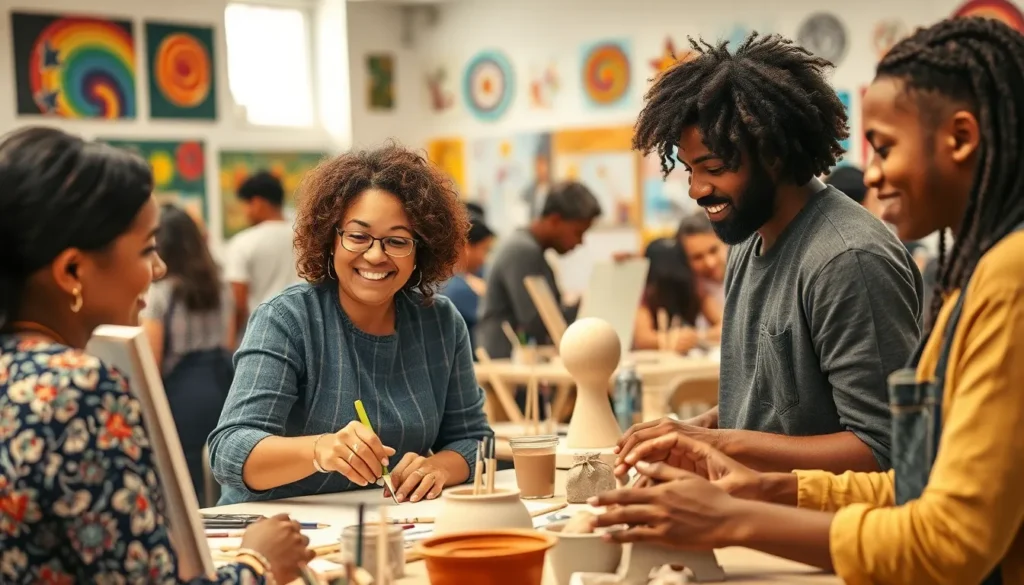
Cultural arts enrichment programs encompass various artistic forms that enhance community engagement and individual growth. Each type plays a significant role in connecting people to their heritage and expanding their creative horizons.
Visual Arts
Visual arts programs include painting, sculpture, photography, and multimedia art. These activities allow participants to explore self-expression through different mediums. Such programs frequently take place in community centers and galleries, where individuals can learn from experienced instructors. Artists often encourage collaboration, fostering a sense of community. These experiences can provide exposure to diverse cultures, allowing individuals to appreciate varying artistic expressions.
Performing Arts
Performing arts programs primarily focus on dance, theater, and music. Participation in these activities helps individuals develop confidence and teamwork skills while enhancing their creativity. Many community theaters and music schools offer classes, where participants can learn from professionals. Live performances allow attendees to experience the magic of artistic expression firsthand. Such events often strengthen social bonds, as individuals unite through shared enjoyment and appreciation of the arts.
Literary Arts
Literary arts programs encompass creative writing, poetry, and storytelling. Engaging in these activities helps participants refine their communication skills while encouraging critical thinking. Workshops and reading groups provide supportive environments for sharing work and receiving constructive feedback. Literary arts can also help individuals connect with their cultural identity and explore complex themes through written expression. Active participation strengthens personal growth and cultivates a lifelong love for literature.
Implementing Cultural Arts Enrichment in Communities
Implementing cultural arts enrichment engages individuals and fosters community spirit. Communities can thrive through targeted strategies and collaborations with local artists.
Strategies for Engagement
Engagement strategies vary but often include hands-on workshops, community art projects, and festivals. Workshops allow participants to explore their creativity while learning new skills. Community art projects invite residents to contribute to public artworks, enhancing local pride. Festivals can showcase diverse artistic expressions, drawing in audiences from surrounding areas. Utilizing social media amplifies outreach, connecting residents with events and programs. Interactive experiences not only enhance participation but also encourage continuous involvement in the arts.
Collaborations with Local Artists
Collaborating with local artists brings authenticity and relevance to cultural arts programs. Artists possess unique insights that resonate within the community. Engaging them in teaching workshops shares their skills and experiences with participants. Partnering with local organizations fosters a supportive network, expanding the reach of enrichment initiatives. Events featuring local talent cultivate talent recognition and offer platforms for emerging artists. Community collaborations strengthen bonds between artists and residents, enriching cultural experiences for all involved.
Challenges in Cultural Arts Enrichment
Cultural arts enrichment faces several challenges that can hinder its effectiveness and reach within communities. Addressing these challenges is essential for maximizing the positive impact of the arts.
Funding and Resources
Funding remains a critical barrier for many cultural arts programs. Limited financial support restricts access to quality resources, materials, and spaces for workshops and events. Nonprofit organizations, schools, and community centers often struggle to secure adequate funding from grants and sponsorships. Some proactive approaches include collaborative fundraising efforts and community partnerships aimed at pooling resources. Programs that engage local businesses frequently find success in garnering financial backing. Without stable funding, many initiatives may face closure or downsizing, affecting participants’ artistic opportunities.
Accessibility Issues
Accessibility is another significant challenge in cultural arts enrichment. Various factors such as geographic location, transportation, and physical disabilities can limit participation in arts programs. Some communities are underserved, lacking nearby facilities or activities. Efforts to create mobile programs or virtual workshops can help bridge these gaps. Additionally, implementing inclusive practices ensures that all individuals, regardless of their abilities, can participate. Mindful outreach to diverse populations fosters engagement by prioritizing accessibility. By addressing these concerns, communities enhance participation and ensure the arts are available to everyone.
Cultural arts enrichment plays a vital role in fostering community connections and enhancing individual experiences. By embracing various forms of artistic expression, individuals can unlock their creativity and develop essential life skills. Addressing the challenges of funding and accessibility is crucial for maximizing participation and ensuring that everyone can benefit from these enriching opportunities.
As communities work together to promote cultural arts, they not only strengthen their bonds but also create a vibrant atmosphere that celebrates diversity and creativity. Investing in cultural arts enrichment paves the way for a more connected and enriched society.

