

High school seminars might sound like a snooze-fest, but they’re actually the secret sauce to transforming a mundane curriculum into an engaging learning experience. Picture this: instead of droning on about algebra or Shakespeare, students dive into interactive discussions, hands-on activities, and maybe even a surprise guest speaker who’s not a ghost from the past. Who wouldn’t want to swap their textbooks for real-world insights?
Overview of High School Seminars
High school seminars offer an interactive approach to education, shifting away from traditional lectures. These sessions encourage participation, fostering discussions and hands-on activities. Guest speakers often share real-world experiences, enriching the learning environment.
Teachers facilitate deeper understanding by presenting topics in a more engaging format. Students actively participate, enhancing critical thinking and communication skills. Instead of passively absorbing information, they engage in conversation and collaboration, promoting a robust learning atmosphere.
Seminars address various subjects, including science, literature, and social issues. These diverse topics enable students to explore interests beyond the standard curriculum. Interdisciplinary discussions often arise, connecting themes across different subject areas, which enhances overall comprehension.
Schools implement seminars to prepare students for future challenges. Skills gained during these sessions, such as teamwork and public speaking, are invaluable in college and professional settings. Additional opportunities for networking arise, as students interact with peers and professionals alike.
Overall, high school seminars represent a modern approach to education. They create environments conducive to active learning and personal growth. Rather than relying solely on textbooks, students gain insight through collaboration and dynamic exploration.
Benefits of High School Seminars
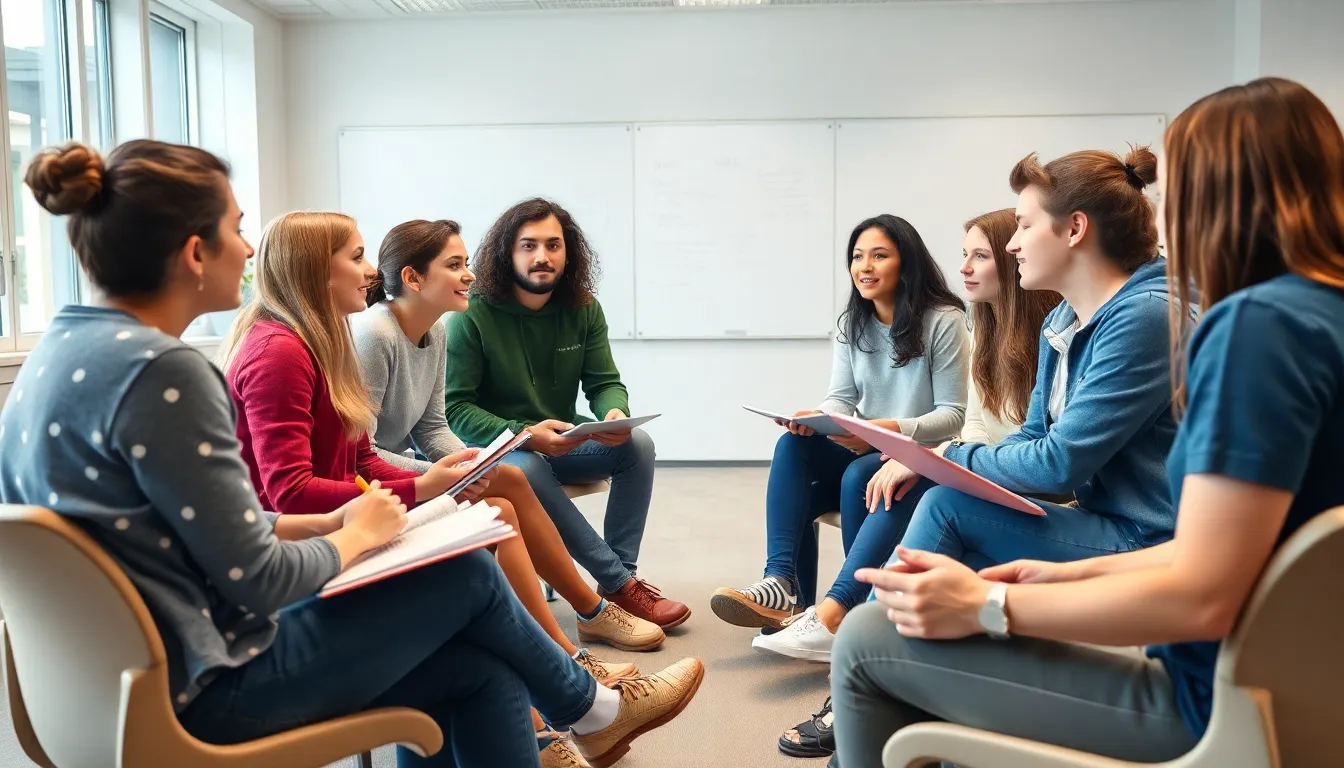
High school seminars provide numerous benefits that enhance the educational experience for students. These settings promote engagement and interaction beyond traditional learning.
Academic Advantages
Seminars foster critical thinking and exploration. Engaging in discussions allows students to deepen their understanding of subjects. Interactive formats enhance retention and clarify complex topics. Inspired by real-world applications, students connect theoretical knowledge to practical scenarios. Opportunities to explore diverse subjects encourage interdisciplinary connections, enhancing overall educational breadth. Participation in seminars can also improve academic performance, as students develop better study habits and self-directed learning skills.
Social Skills Development
Social skills flourish in seminar environments. Active participation promotes effective communication and collaboration among peers. Students learn to express their ideas clearly while listening to differing viewpoints. Engaging with guest speakers and professionals builds networking capabilities that extend beyond the classroom. Developing teamwork through group activities prepares students for future careers, where collaboration is essential. Navigating social dynamics within seminars contributes to emotional intelligence and interpersonal skills, equipping students for success in both personal and professional settings.
Types of High School Seminars
High school seminars take various forms, each designed to dive deep into different areas of interest and skill development.
Subject-Specific Seminars
Subject-specific seminars cater to particular academic disciplines. These seminars emphasize concepts in science, literature, math, and history, allowing students to engage with subject matter in depth. Students participate in discussions that promote critical analysis and collaboration, enhancing comprehension significantly. They might explore themes in literature by analyzing texts alongside peers or conduct experiments in science to apply theoretical knowledge practically. Such focused environments stimulate curiosity and enthusiasm for learning.
Career-Oriented Seminars
Career-oriented seminars prepare students for the workforce by focusing on specific career paths and essential skills. These seminars often feature guest speakers from various industries, offering students insights into real-world applications of academic subjects. Students gain exposure to professions such as engineering, medicine, business, and more through interactive sessions and workshops. Participants learn about necessary skills, resume building, and interview techniques to equip them for future job opportunities. Networking within these seminars fosters professional relationships and prepares students for various career challenges.
Challenges of High School Seminars
High school seminars present various challenges that can impact their effectiveness. Understanding these obstacles helps educators adapt and improve the seminar experience for students.
Student Participation
Engaging students remains a primary challenge. Some students hesitate to contribute during discussions, which limits diverse perspectives. Encouraging participation can involve creating a supportive environment where students feel comfortable sharing their thoughts. Facilitating smaller group discussions often boosts engagement levels. Additionally, incorporating technology, like polling apps, can enhance interaction by allowing shy students to voice their opinions without fear. Building confidence in students aids in enhancing overall seminar effectiveness.
Resource Availability
Limited resources can hinder the quality of high school seminars. Schools may lack access to experienced guest speakers or modern technological tools that enrich learning experiences. Ensuring seminars feature up-to-date materials and resources strengthens content relevance. Schools encountering budget constraints can explore partnerships with local businesses or educational organizations for support. Collaborating with community members can provide access to valuable expertise and resources. Ensuring the availability of adequate materials, such as brochures or handouts, also contributes to the seamless execution of seminars.
High school seminars are transforming the educational landscape by prioritizing engagement and interaction. They not only enhance academic understanding but also equip students with essential skills for their future. By fostering a collaborative atmosphere and encouraging diverse perspectives, these seminars prepare students for real-world challenges.
While challenges exist in implementation, such as resource limitations and student participation, the benefits far outweigh the drawbacks. Schools can overcome these obstacles through innovative strategies and community partnerships. Ultimately, high school seminars are a powerful tool for nurturing well-rounded individuals ready to thrive in both academic and professional settings.