


In the bustling streets of New York, where the skyline kisses the clouds and the coffee flows like water, one question looms large: how much is gas? If you think filling up your tank is as easy as grabbing a slice of pizza, think again. With prices that can make even the most seasoned New Yorker raise an eyebrow, staying informed is key.
Whether you’re cruising through Manhattan or taking a leisurely drive to the Hamptons, knowing the current gas prices can save you from an unwelcome surprise at the pump. It’s not just about keeping your car running; it’s about budgeting your adventures in the city that never sleeps. Buckle up as we dive into the nitty-gritty of gas prices in New York and discover how to fuel your journey without breaking the bank.
Overview of Gas Prices in New York
Gas prices in New York City fluctuate frequently. Current averages indicate a price range between $3.50 and $4.00 per gallon, depending on location and station. Recent weeks reveal a slight increase, influenced by seasonal demand and global oil market trends.
City gas prices often exceed those in neighboring areas. Drivers might find prices in Long Island and upstate New York generally lower, sometimes around $3.30 per gallon. With over 500 stations in Manhattan alone, choosing the right one can make a significant difference in costs.
Specific factors affect these prices. Taxes imposed in New York contribute to higher costs. In fact, New York State imposes one of the highest fuel taxes in the United States, influencing the overall price at the pump.
Commuters should consider refueling outside peak hours. Prices can vary significantly throughout the day, especially near busy urban centers. Discounts and loyalty programs at certain gas stations may also help mitigate expenses.
Using mobile apps can provide real-time pricing updates. Many apps track nearby fuel prices, helping drivers identify cheaper options as they travel. Planning fuel stops based on these insights becomes essential for maintaining budgets during trips.
Overall, staying informed about gas prices in New York promotes smarter fueling decisions. Monitoring trends helps drivers to budget effectively for both daily commutes and longer journeys.
Factors Affecting Gas Prices
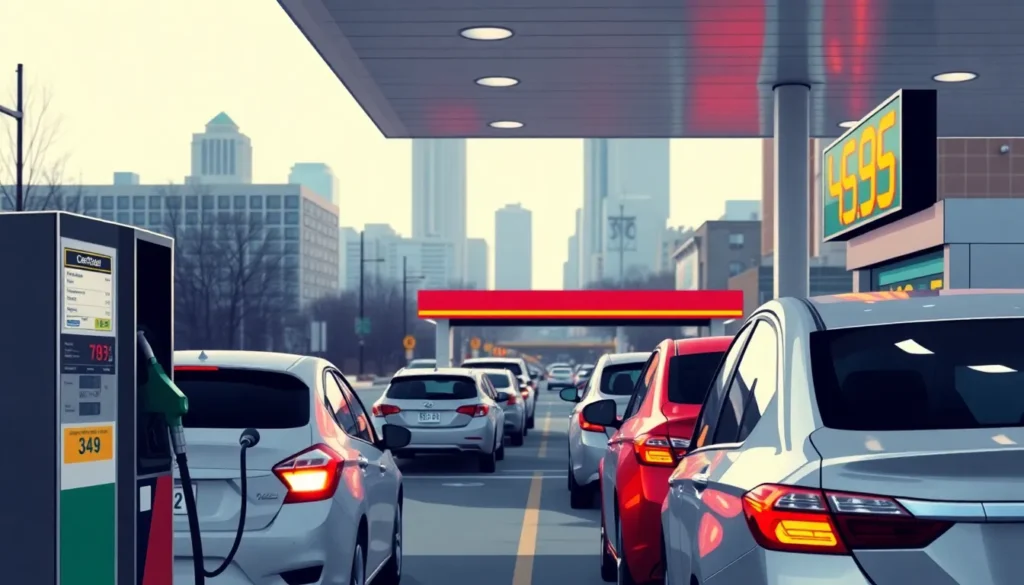
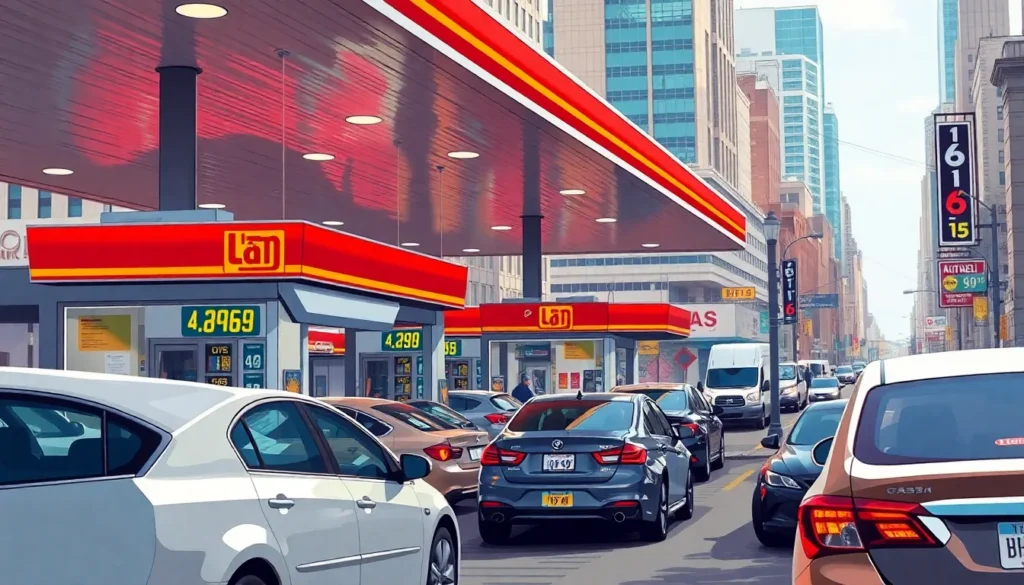
Gas prices in New York result from various influences that can fluctuate regularly. Understanding these factors enables drivers to anticipate costs and budget effectively.
Crude Oil Prices
Crude oil prices represent a significant portion of retail gas prices. When crude oil experiences market changes, drivers feel the impact. Recent data shows that crude oil prices can fluctuate significantly due to geopolitical tensions and production levels. In New York, current market conditions often lead to gas price spikes. Increased demand for oil globally also creates upward pressure on crude oil prices. Keeping track of crude oil trends can aid in predicting local gas prices.
State Taxes and Regulations
State taxes and regulations in New York play a vital role in gas pricing. New York imposes some of the highest fuel taxes in the nation, which directly contributes to elevated consumer prices. Gas taxes include both state and federal levies, and these can amount to over 50 cents per gallon. Regulations governing fuel quality and distribution also affect costs. Limited competition in urban areas further pressures prices upward. Understanding these factors provides insight into why gas prices in New York exceed those of neighboring states.
Regional Variations in Gas Prices
Regional differences in gas prices across New York impact drivers significantly. Understanding these variations helps in planning fuel expenses effectively.
Major Cities
Major cities in New York showcase higher gas prices due to demand. Gas prices often peak around $4.00 per gallon in urban areas like New York City and Albany. Seasonal trends exacerbate these prices, especially during holidays and weekends. Manhattan frequently records the state’s highest prices because of its high costs of living and operational expenses. In contrast, cities like Rochester or Syracuse offer prices lower than urban centers, often around $3.60 per gallon. As drivers move away from metropolitan areas, they typically find more competitive pricing.
Rural Areas
Rural areas in New York generally feature lower gas prices. Residents often enjoy prices closer to $3.30 per gallon, thanks to reduced demand. Commuters and visitors usually encounter more affordable options in places like the Adirondacks or Western New York. Fuel taxes also play a role; many rural gas stations absorb some costs to attract customers. Additionally, stations in these regions may participate in loyalty programs that further decrease expenses. Overall, rural drivers benefit from these cost-saving opportunities when filling up in less populated areas.
Current Gas Price Trends
Current gas prices in New York reflect notable variations influenced by multiple factors. As of now, prices range between $3.50 and $4.00 per gallon.
Historical Data Comparison
Recent years show significant changes in gas prices across New York. In 2020, the average cost hovered around $2.30 per gallon, driven down by decreased demand during the pandemic. Comparatively, prices in 2021 surged due to economic recovery and increased travel, reaching about $3.25. As of late 2023, current averages indicate a marked rise, surpassing $3.50 per gallon, largely attributed to rising crude oil costs and geopolitical factors. Historical data emphasizes the impact of external events and changing consumer behaviors on overall pricing trends.
Seasonal Changes
Seasonal changes prominently affect gas prices in New York. Typically, spring and summer months witness increased demand due to travel and tourism, causing price hikes. For instance, in June 2023, prices peaked around $4.00 per gallon because of summer road trips. Conversely, winter months often see demand dip, resulting in potential price decreases, with averages dropping to approximately $3.50 per gallon. Understanding these seasonal patterns helps drivers plan fuel budgets more effectively and adjust their fueling strategies accordingly.

